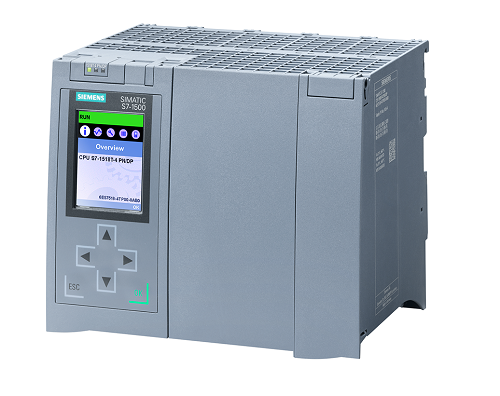
PLC software development using SIMATIC S7-1200 and S7-1500 controllers, engineered in TIA Portal. We develop structured control applications for machinery and process systems, including sequences, interlocks, diagnostics, communication and system integration. Siemens systems can be supported from initial development through FAT and on-site commissioning
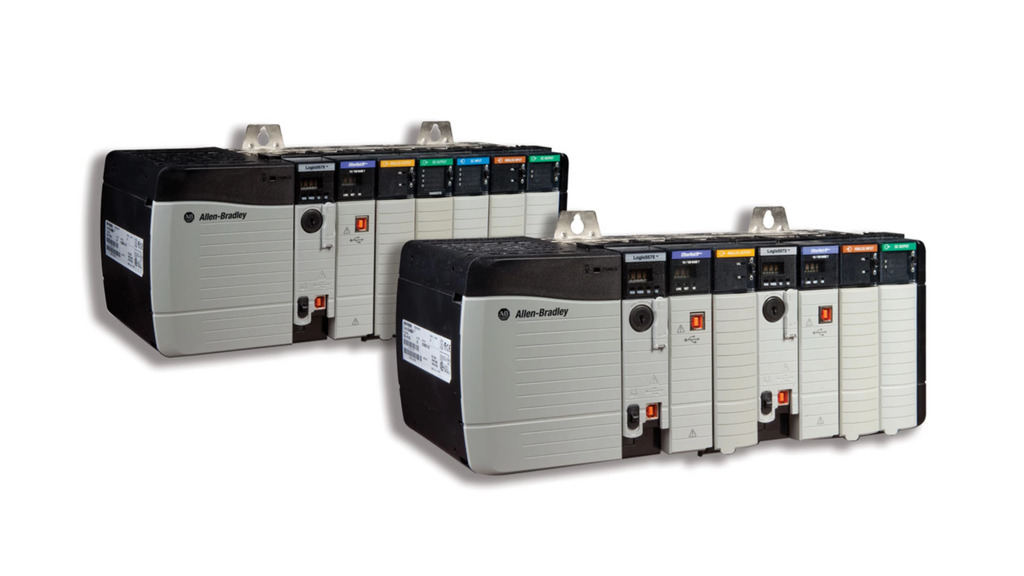
Programming and modification of Allen-Bradley Logix-based control systems for industrial machinery and manufacturing applications. Support includes application development, troubleshooting, equipment integration and commissioning using Studio 5000 and ControlLogix architecture
We begin by defining how the machine or process should operate. This includes reviewing the I/O, operating sequences, alarms, interfaces, safety requirements, and communication with other equipment. Clear functional requirements reduce programming changes later in the project
Before programming starts, we define a structured software architecture for the application. Functions, data blocks, device interfaces, naming conventions, and reusable modules are organized to keep the project easy to maintain, troubleshoot, and expand
The control application is developed according to the agreed functional requirements and software structure. This includes operating sequences, interlocks, equipment control, communication, parameter handling, alarms, and diagnostics required for reliable machine or process operation
The PLC application is tested before commissioning wherever possible. Operating sequences, interlocks, alarms, communication interfaces, and abnormal conditions are verified to identify software issues early and reduce troubleshooting time during site commissionin
The software is verified together with the actual equipment through I/O checks, functional testing, sequence testing, and communication diagnostics. During commissioning, remaining issues are resolved and the application is adjusted to the real behavior of the machine or process.
After successful startup, the application is fine-tuned for stable and efficient operation. Remaining issues are closed, software is cleaned and documented, final backups are prepared, and the control system is handed over in a maintainable production-ready condition